 Sunrise
1 day
Agra City Tour
See the Taj Mahal, Agra Fort and Baby Taj in one full day with a licensed guide.
Agra
- Private guide included
- Private car & driver
- Monument tickets included
Free itinerary & quote · reply in about 15 minutes
Agra · Private travel
Uttar Pradesh, India
Home to the Taj Mahal, Agra Fort and Fatehpur Sikri on India's Golden Triangle.
Based in
Agra, India
Reply time
About 15 minutes
Deposit
Balance on arrival
Agra is home to the Taj Mahal, Agra Fort and Fatehpur Sikri, 230 km from Delhi. Get opening hours, ticket prices, and the best way to visit in a day.
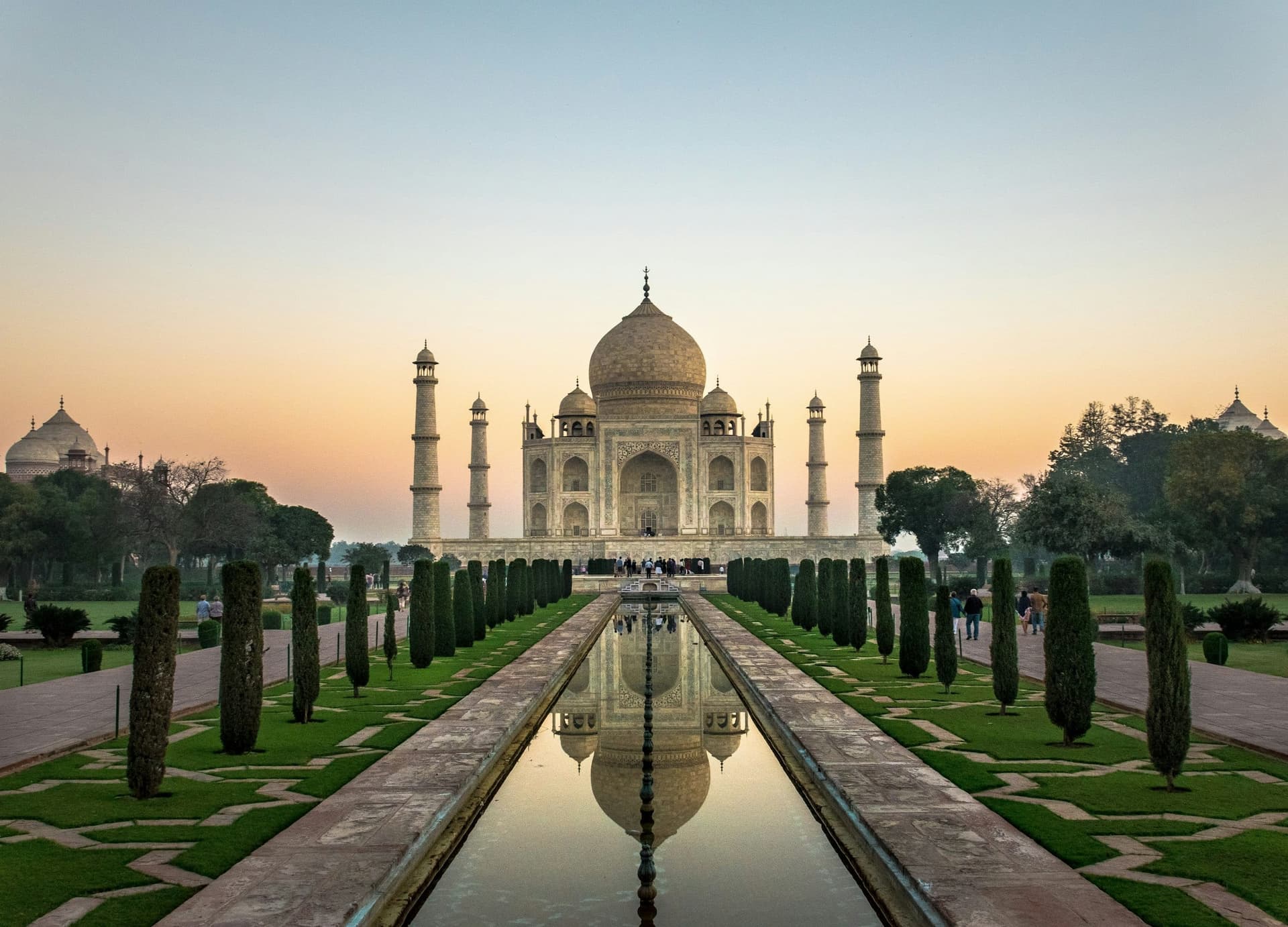
Agra is a city in Uttar Pradesh, India, best known as the home of the Taj Mahal, the white marble mausoleum built by Mughal emperor Shah Jahan for his wife Mumtaz Mahal. The city sits roughly 230 to 240 km south of Delhi, reachable in 3 to 4 hours by road via the Yamuna Expressway or under two hours by the Gatimaan Express train. Most first-time visitors to India add Agra to a Delhi-Agra-Jaipur route known as the Golden Triangle.
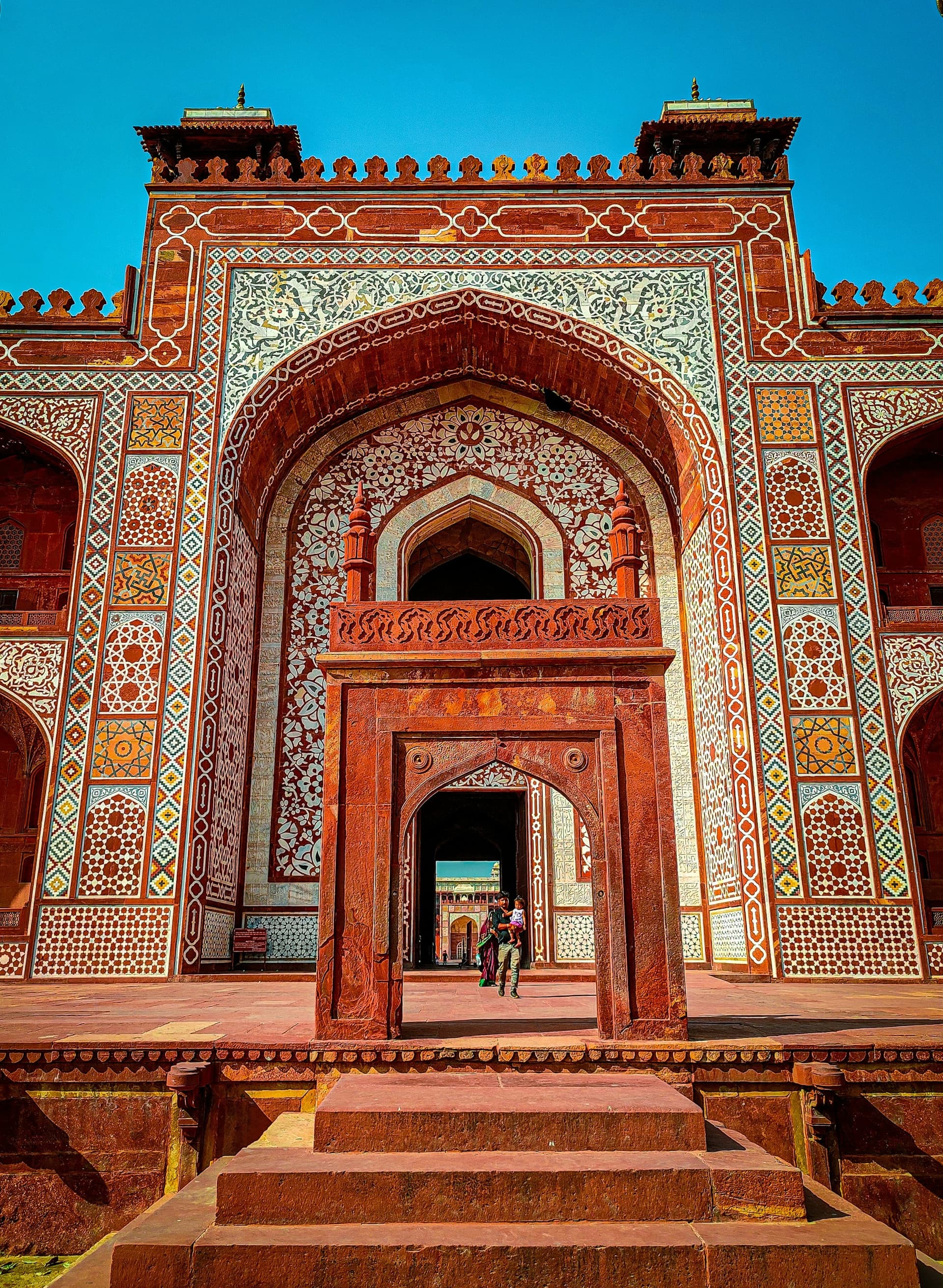
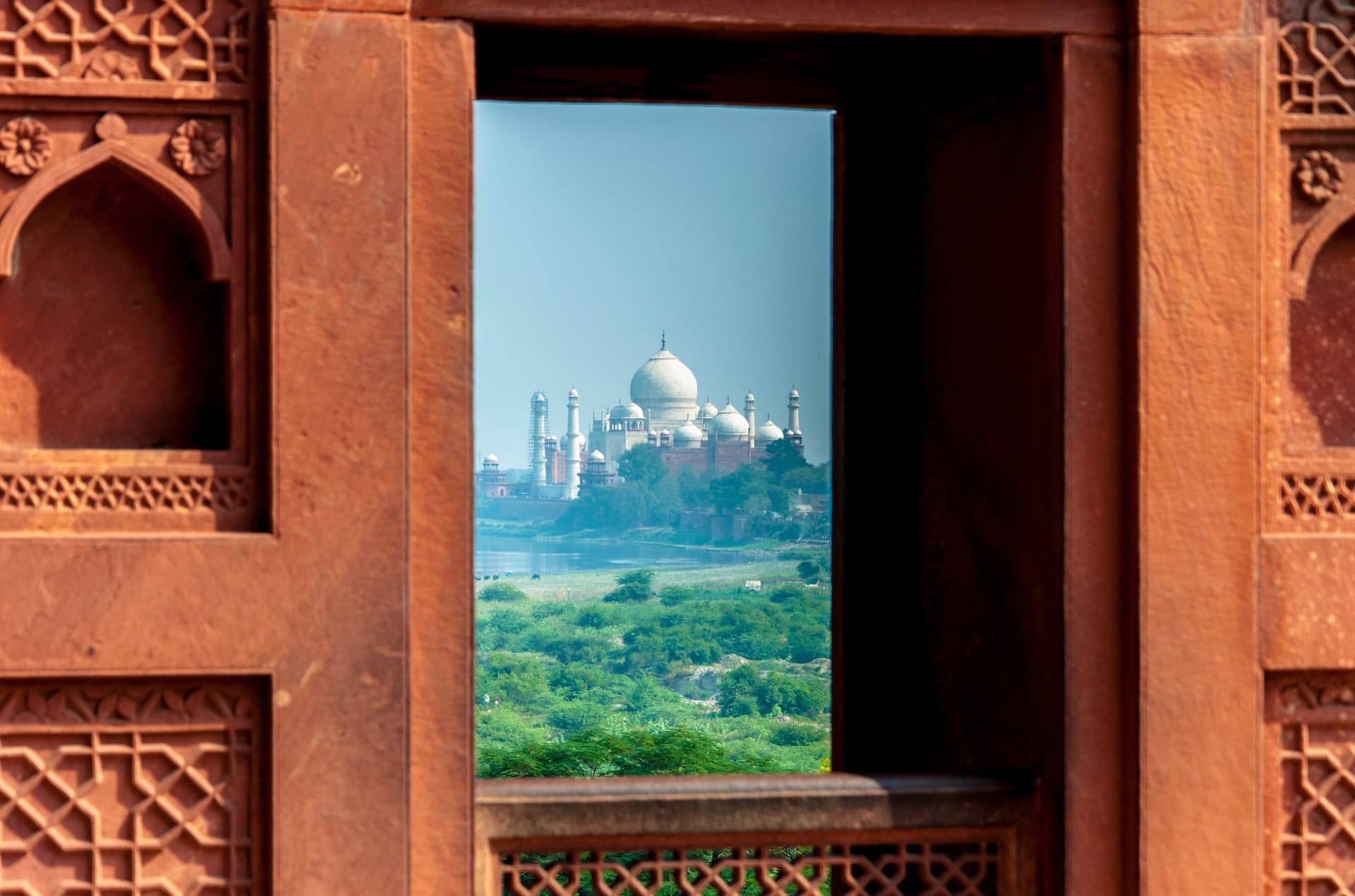
Beyond the Taj Mahal, Agra served as the Mughal capital for over a century and holds two more UNESCO World Heritage Sites nearby: Agra Fort, the red sandstone fortress-palace of Emperor Akbar and later the prison of Shah Jahan, and Fatehpur Sikri, an abandoned Mughal capital about 40 km away. Smaller sites round out a fuller visit, including Itimad-ud-Daulah, known as the Baby Taj, and Mehtab Bagh, a riverside garden directly across the Yamuna from the Taj Mahal with an unobstructed view of its rear facade.
Agra suits both a single long day trip from Delhi and an overnight stop on the way to Jaipur. A day trip covers the Taj Mahal and Agra Fort comfortably, especially by Gatimaan Express or an early car departure. Adding Fatehpur Sikri, Itimad-ud-Daulah or a sunrise visit to the Taj Mahal usually calls for one night in the city. The Taj Mahal is closed every Friday, so build that into any itinerary before booking tickets or transport. Agra's compact size means most sites are within a 45-minute drive of each other, so a private car or hired taxi for the day is the easiest way to move between them.
Updated
Tours
SunriseSee the Taj Mahal, Agra Fort and Baby Taj in one full day with a licensed guide.
Agra
Sunrise Taj MahalDelhi, Agra and Jaipur in 4 days, with a sunrise entry to the Taj Mahal included.
Delhi · Agra · Jaipur
 Sunrise
 at the Taj Mahal, two tiger safaris in Ranthambore, and Jaipur forts in between.
Delhi · Agra · Jaipur
 Sunrise Taj Mahal
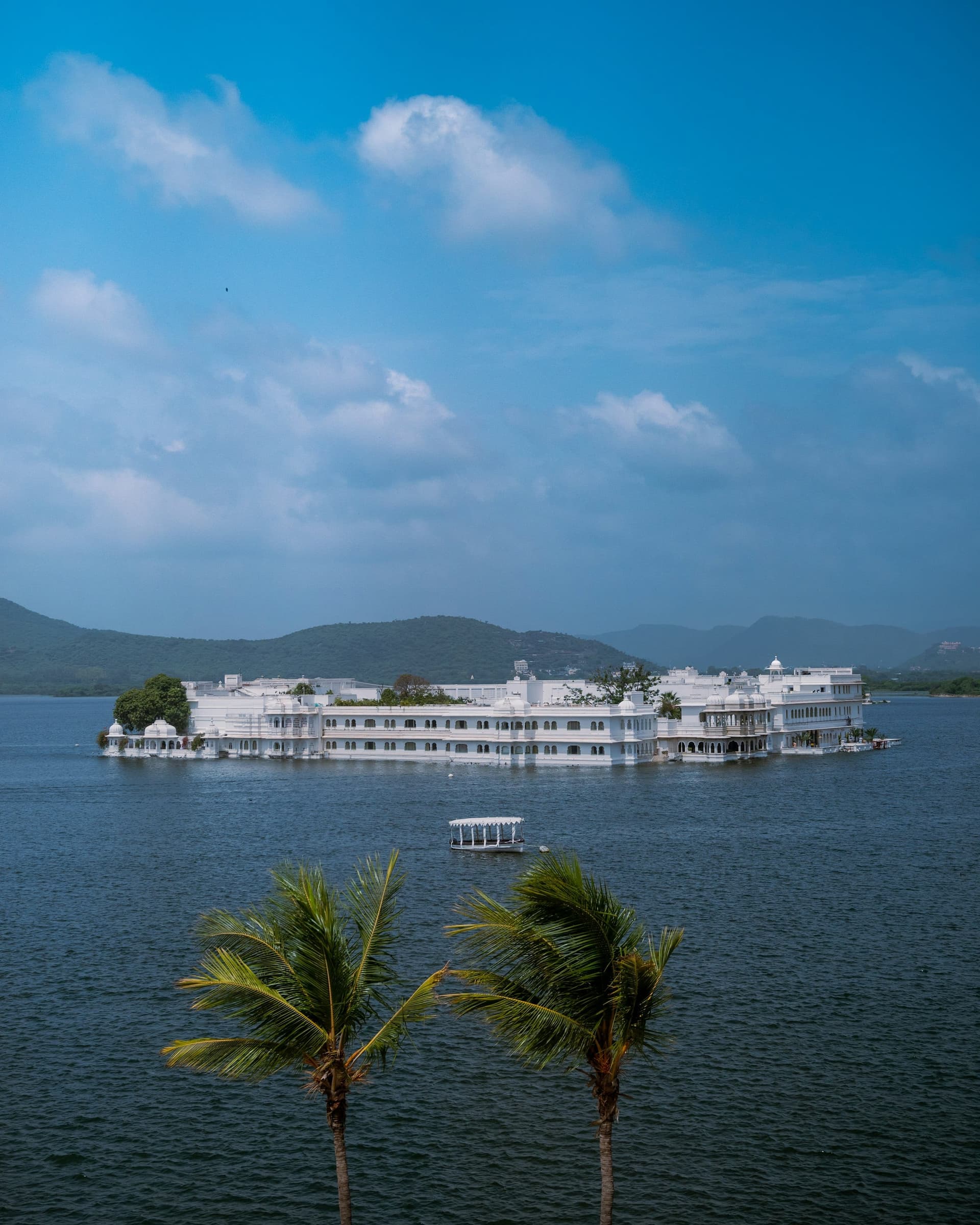
Delhi, Agra, Jaipur and Udaipur in one week, ending with a Lake Pichola sunset cruise.
Delhi · Agra · Jaipur · Udaipur
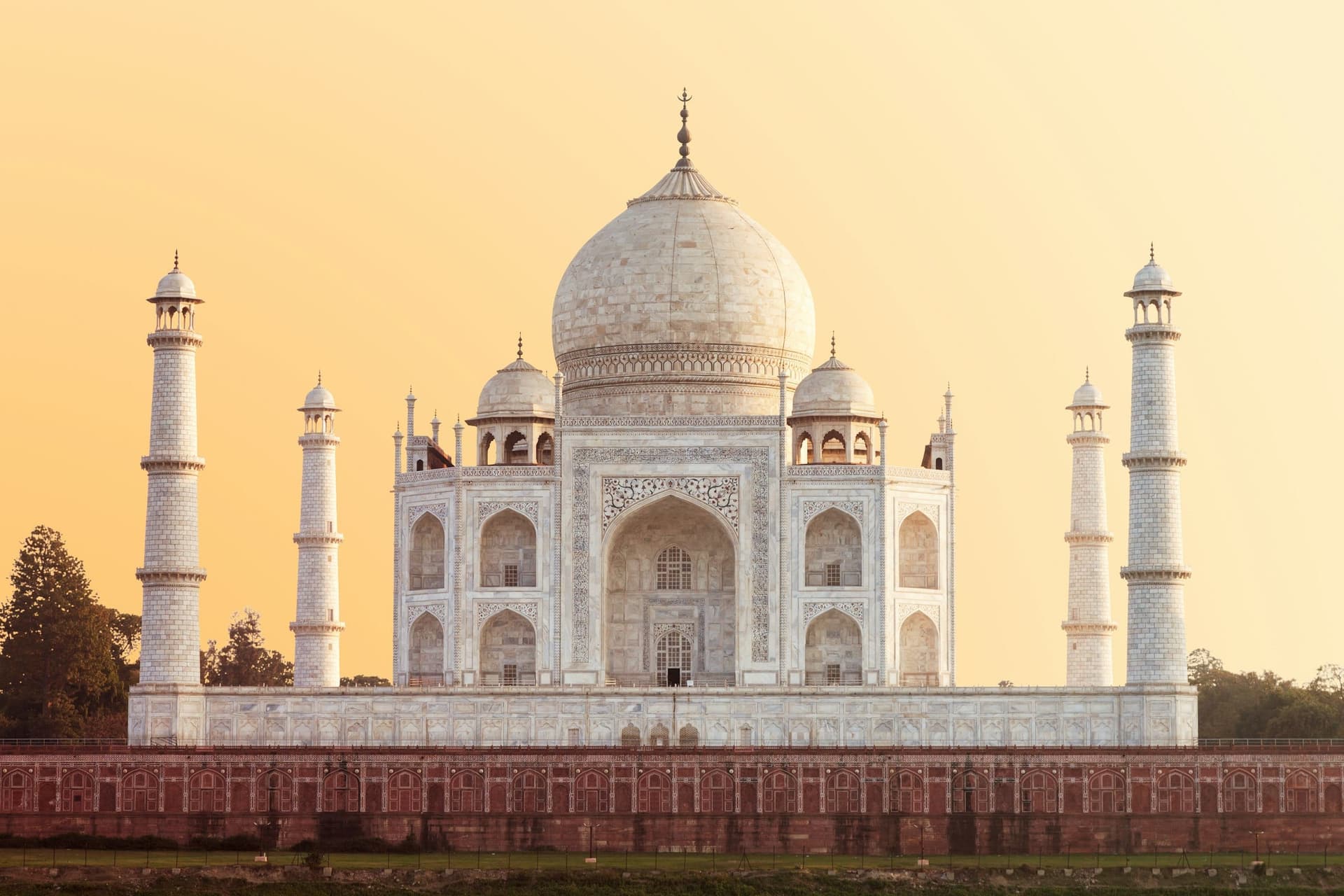 Private Tour
Delhi to the Taj Mahal and Agra Fort by private car, back in time for dinner.
Delhi · Agra
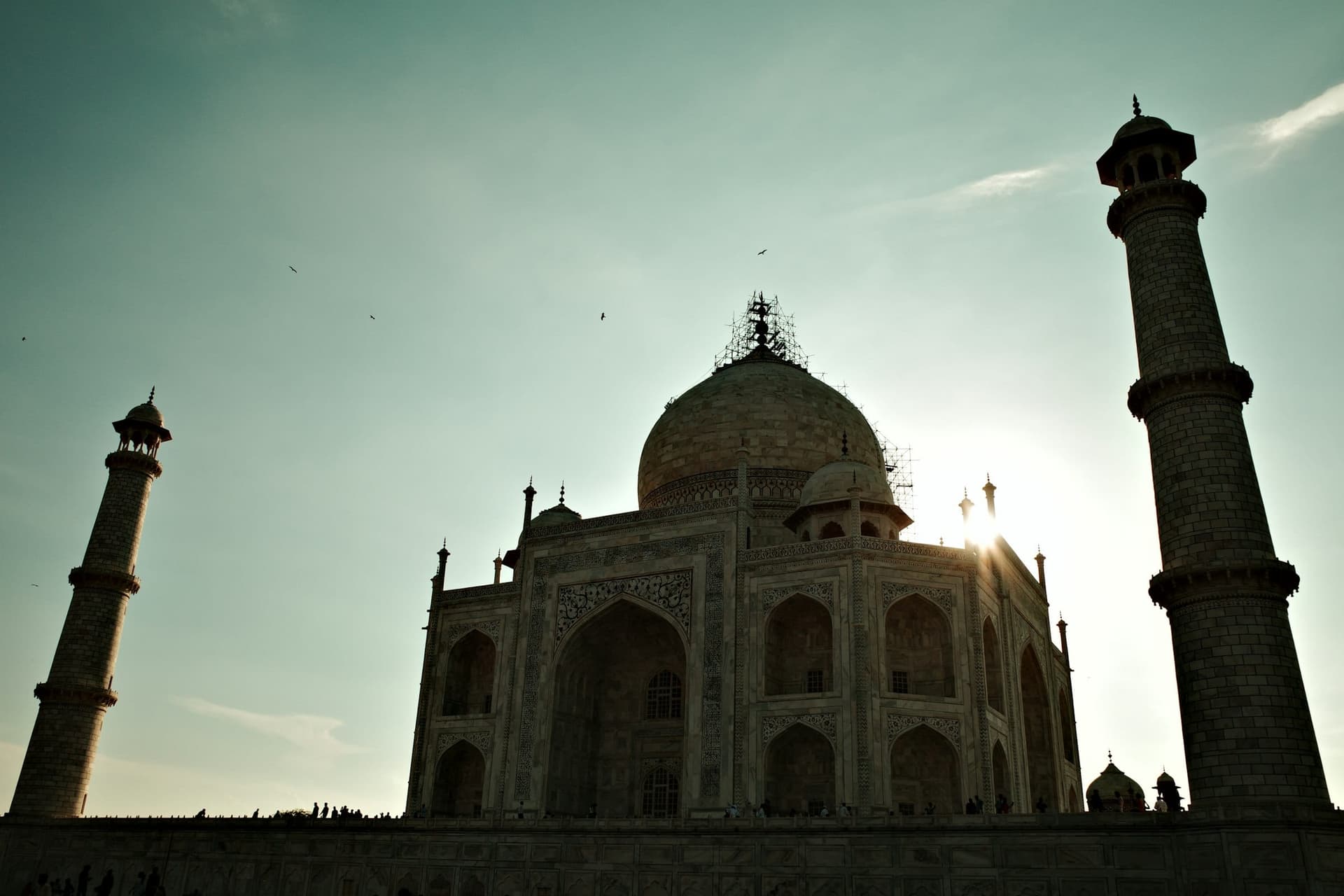 Night Viewing
See the Taj Mahal glow under a full moon - just 5 nights a month, by ASI permit only.
Agra
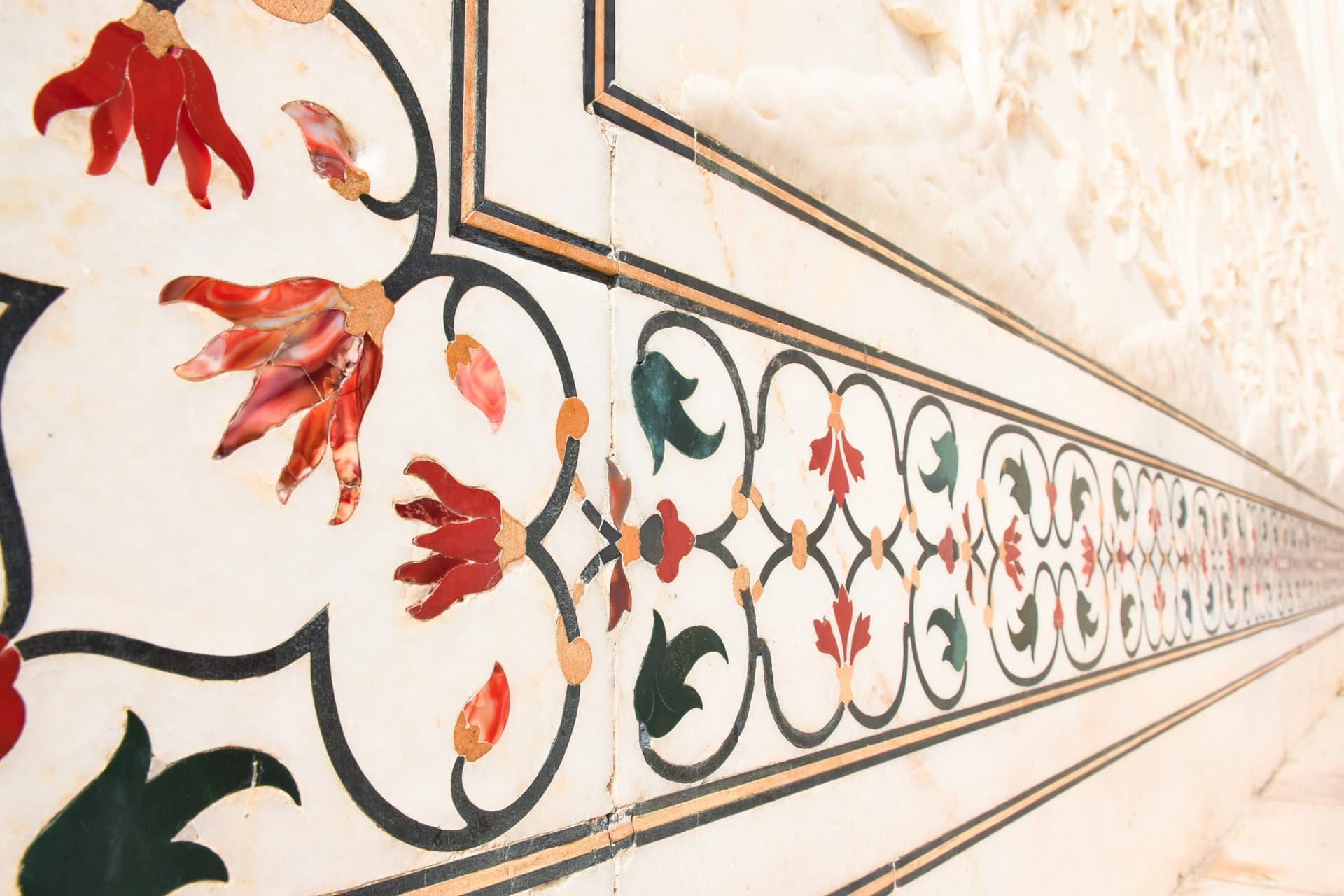 Sunrise
Private professional photos at the Taj Mahal, from a 30-minute session to a full shoot.
Agra
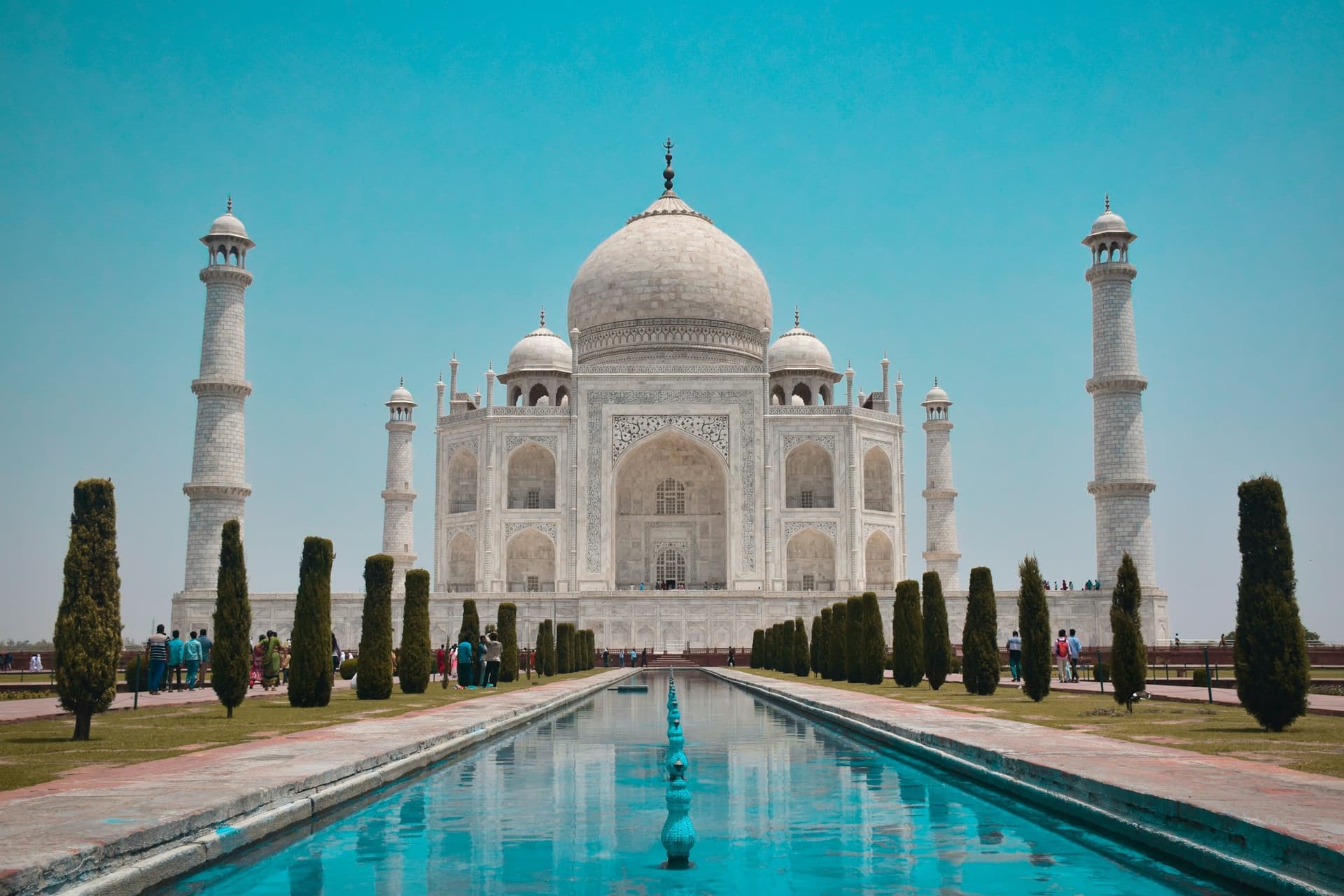 Sunrise
Reach the Taj Mahal's east gate at sunrise, then Agra Fort, back in Delhi by night.
Delhi · Agra
 Sunrise
Golden-hour Taj Mahal, crowd-free, captured by a professional photographer walking with you.
Delhi · Agra
 India's Fastest Train
Ride India's fastest train to the Taj Mahal and back to Delhi in a single day.
Delhi · Agra
Top experiences
Taj Mahal
The Taj Mahal is a white marble mausoleum built between 1632 and 1653 by Mughal emperor Shah Jahan for his wife Mumtaz Mahal. It is a UNESCO World Heritage Site and India's most visited monument. Visitors get a 3-hour limit from the time of entry, so plan the visit around opening hours.
Opens 30 min before sunrise, closes 30 min before sunset; closed every Friday except for local Muslims attending prayers · Foreigner ₹1,300 (₹1,100 entry + ₹200 mausoleum add-on); Indian ₹250 (₹50 + ₹200); SAARC/BIMSTEC ₹740; under-15 free
Tip: Book tickets online at asi.payumoney.com in advance and arrive at the gate 15-20 minutes before opening to beat the queue and get uncrowded photos of the main dome.
Agra Fort
Agra Fort is a red sandstone fortress that Emperor Akbar began building in 1565, later expanded by Shah Jahan. Shah Jahan spent his final years under house arrest here, with a distant view of the Taj Mahal from the Musamman Burj tower. It sits about 2.5 km from the Taj Mahal.
Sunrise to sunset daily · Foreigner ₹650; Indian ₹50
Tip: Visit in the late afternoon for soft light on the red sandstone, and combine it with the Taj Mahal in one day since the two sites are a short taxi ride apart.
Fatehpur Sikri
Fatehpur Sikri was the Mughal capital that Akbar built starting in 1571 and abandoned within about 15 years, reportedly due to water shortage. The complex includes Buland Darwaza, one of the tallest gateways in the world at 54 metres, and the Jama Masjid mosque. It lies roughly 40 km west of Agra.
Sunrise to sunset daily · Foreigner ₹610; Indian ₹40
Tip: Hire a licensed guide at the entrance; the site has little signage explaining the ruins, and a guide also helps navigate persistent vendors near Buland Darwaza.
Itimad-ud-Daulah (Baby Taj)
Itimad-ud-Daulah, nicknamed the Baby Taj, is a marble tomb built between 1622 and 1628 for Mirza Ghiyas Beg, grandfather of Mumtaz Mahal. Its marble inlay work is considered a design precursor to the Taj Mahal. It stands on the eastern bank of the Yamuna River, about 10 minutes from central Agra.
Sunrise to sunset daily · Foreigner ₹310; Indian ₹30
Tip: Visit in the late afternoon when it is far less crowded than the Taj Mahal, and pair it with Mehtab Bagh since both sit on the same side of the river.
Mehtab Bagh
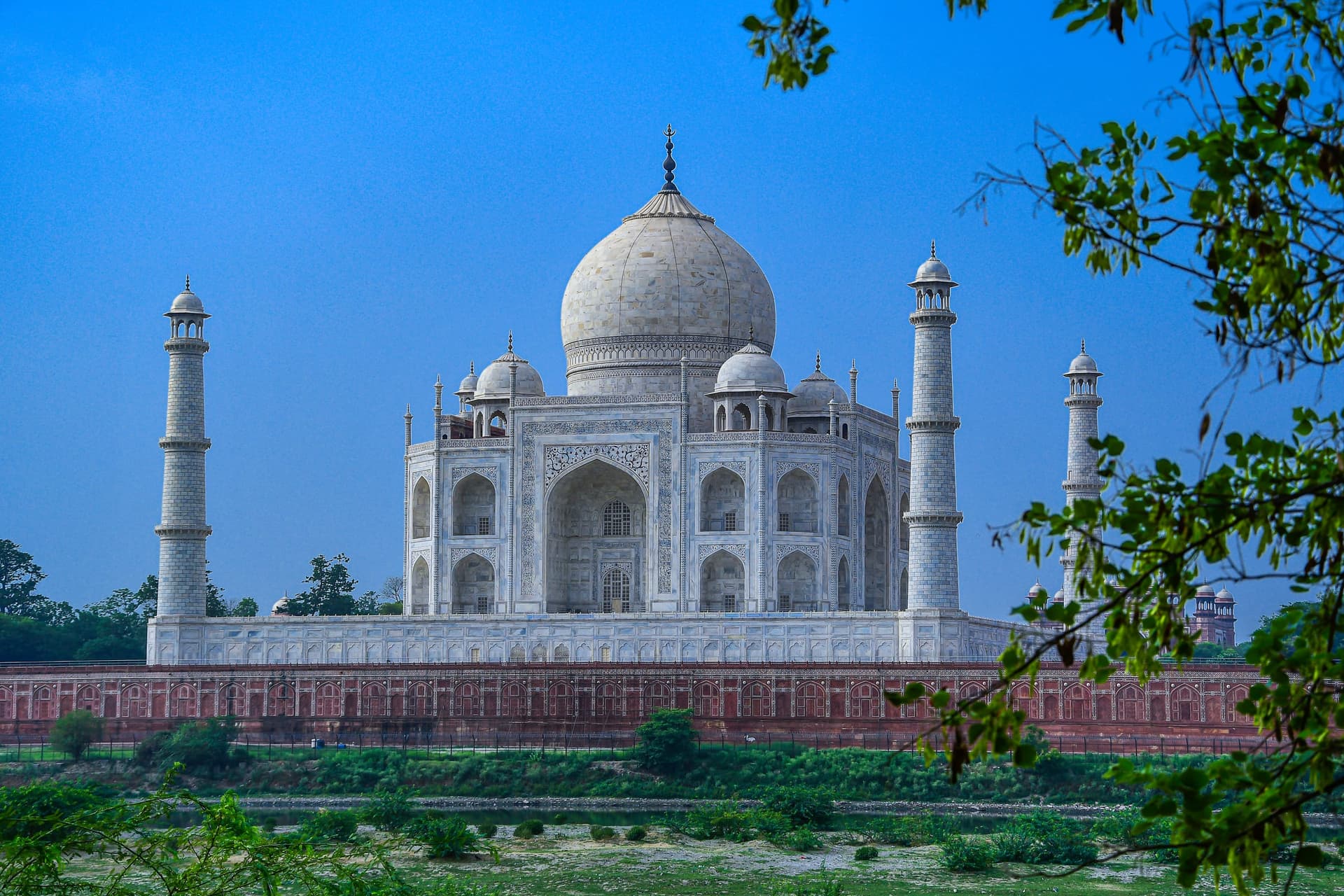
Mehtab Bagh is a Mughal-era garden laid out directly across the Yamuna River from the Taj Mahal. It gives an unobstructed view of the Taj's rear facade away from the crowds inside the main complex. The angle here also produces a distinct golden-hour photo of the monument.
Sunrise to sunset daily · Foreigner ₹300; Indian ₹30
Tip: Go about an hour before sunset for the classic reflected view, and bring a zoom lens since the river keeps you roughly 300 metres from the monument.
Sikandra (Akbar's Tomb)
Sikandra is the tomb of Emperor Akbar, completed in 1613 by his son Jahangir. The red sandstone and marble structure mixes Hindu, Christian, Islamic and Jain architectural motifs, reflecting Akbar's policy of religious tolerance. It sits about 13 km northwest of central Agra, on the way to Fatehpur Sikri.
Sunrise to sunset daily
Tip: Combine it with Fatehpur Sikri since it sits directly on the route, saving a separate trip out of the city.
Sadar Bazaar and Kinari Bazaar
Sadar Bazaar and Kinari Bazaar are Agra's main shopping streets for marble inlay work, leather goods and petha, a local sweet made from ash gourd. Agra's marble artisans are descendants of craftsmen who worked on the Taj Mahal's pietra dura inlay. Prices are negotiable and quality varies between shops.
Most shops open 10 AM to 9 PM
Tip: Buy marble pieces from government emporiums such as UP Handicrafts if authenticity matters, since roadside shops often sell soapstone as marble.
Practical
The best time to visit Agra is October to March, when daytime temperatures range from about 15°C to 28°C and skies stay mostly clear for photography. This is also peak tourist season, so book Taj Mahal tickets online in advance and expect larger crowds at sunrise.
| Months | Weather | Notes |
|---|---|---|
| October-February | 15-28°C, cool and dry | Best conditions; peak season, book tickets ahead |
| March | 20-35°C, warming up | Good light, thinner crowds than winter |
| April-June | 25-45°C, hot and dry | Very hot by midday; visit early morning only |
| July-September | 25-35°C, monsoon | Humid with rain; lush surroundings, fewer crowds |
Summer, from April to June, gets extremely hot, with daytime temperatures regularly exceeding 40°C; if travelling then, visit only in the early morning. Monsoon season, July to September, brings humidity and rain but far fewer tourists and greener surroundings around Fatehpur Sikri and Mehtab Bagh.
Practical
Agra has three main ways to reach it from Delhi: road, rail and air. The most flexible option is a private car or taxi via the Yamuna Expressway, which takes 3 to 4 hours to cover the 230 to 240 km. The fastest option is the Gatimaan Express train.
| Mode | Duration from Delhi | Notes |
|---|---|---|
| Car/taxi | 3-4 hours (230-240 km) | Via Yamuna Expressway; most flexible, door to door |
| Gatimaan Express | 1h 40m | Hazrat Nizamuddin 08:10 to Agra Cantt 09:50; return 17:50 to 19:30; no Friday service |
| Other trains | 2-3 hours | Multiple daily departures from New Delhi and Hazrat Nizamuddin stations |
| Flight | 45 min flight + transfer | Agra Airport (AGR) has limited scheduled service; most visitors fly into Delhi instead |
Agra Airport (AGR) has limited scheduled commercial service, so most international visitors fly into Delhi's Indira Gandhi International Airport and continue to Agra by road or rail. From Jaipur, Agra is about 240 km, roughly 4.5 to 5 hours by road, making it the natural link between Delhi and Jaipur on a Golden Triangle itinerary.
Guides
taj mahalForeign visitors pay ₹1,300 total (₹1,100 + ₹200 mausoleum) for a Taj Mahal ticket, booked at asi.payumoney.com. See full prices, timings and entry rules.
Updated 3 September 2026
taj mahalYes, the Taj Mahal is closed to tourists every Friday, reserved for local Muslims attending prayers. Here's what to do instead and when it reopens.
Updated 3 September 2026
taj mahalThe best time to visit the Taj Mahal is October to March at sunrise: soft light, thin crowds, and clear views before winter fog sets in.
Updated 3 September 2026
FAQ
Agra is about 230 to 240 km from Delhi, a 3 to 4 hour drive via the Yamuna Expressway. The fastest way to travel is the Gatimaan Express train, which covers the route in 1 hour 40 minutes, departing Hazrat Nizamuddin station at 08:10 and arriving Agra Cantt at 09:50. The train does not run on Fridays.
Yes, Agra works well as a day trip from Delhi. Taking the Gatimaan Express or an early car departure gets you to Agra by mid-morning to see the Taj Mahal and Agra Fort, then return the same evening. A day trip covers those two sites comfortably; adding Fatehpur Sikri usually requires an overnight stay instead.
The Taj Mahal is closed to tourists every Friday because the mausoleum's mosque is reserved for local Muslims attending weekly prayers. It is the only day of the week the main complex is closed to general visitors. Plan around this closure when scheduling a visit, especially on a tight Delhi-Agra day trip.
A Taj Mahal ticket costs ₹1,300 for foreign nationals, made up of a ₹1,100 entry fee plus a ₹200 mausoleum add-on. SAARC and BIMSTEC nationals pay ₹740, and Indian citizens pay ₹250. Children under 15 enter free. Tickets can be booked online at asi.payumoney.com or bought at the gate.
Yes, but only on 5 nights a month around the full moon, and never on Fridays; night viewing is also suspended during Ramzan. Viewing runs from 8:30 PM to 12:30 AM in 30-minute batches of 50 visitors, capped at 400 a night. Tickets cost ₹750 for foreigners and ₹510 for Indians, booked at the ASI office on Mall Road, Agra, or via asi.paygov.org.in.
One full day covers the Taj Mahal and Agra Fort. Two days let you add Fatehpur Sikri, Itimad-ud-Daulah and a sunrise visit to the Taj Mahal, which has softer light and smaller crowds than midday. Most Golden Triangle itineraries allocate one night in Agra between Delhi and Jaipur.
Sunrise is the best time to visit the Taj Mahal. The complex opens 30 minutes before sunrise, and arriving at opening avoids both the heat and the largest crowds, which build through late morning. Visitors get a 3-hour limit from entry, so an early start also gives more time inside.
General photography is allowed throughout the Taj Mahal complex, but not inside the main mausoleum chamber. Tripods, monopods, drones and video cameras are banned everywhere inside the complex. Professional or commercial photo shoots need separate ASI permission, arranged at least 15 days in advance.
Your dates, our town
A real person in Agra replies on WhatsApp, usually in about 15 minutes. Free cancellation up to 48 hours before most tours; the balance is paid on arrival.