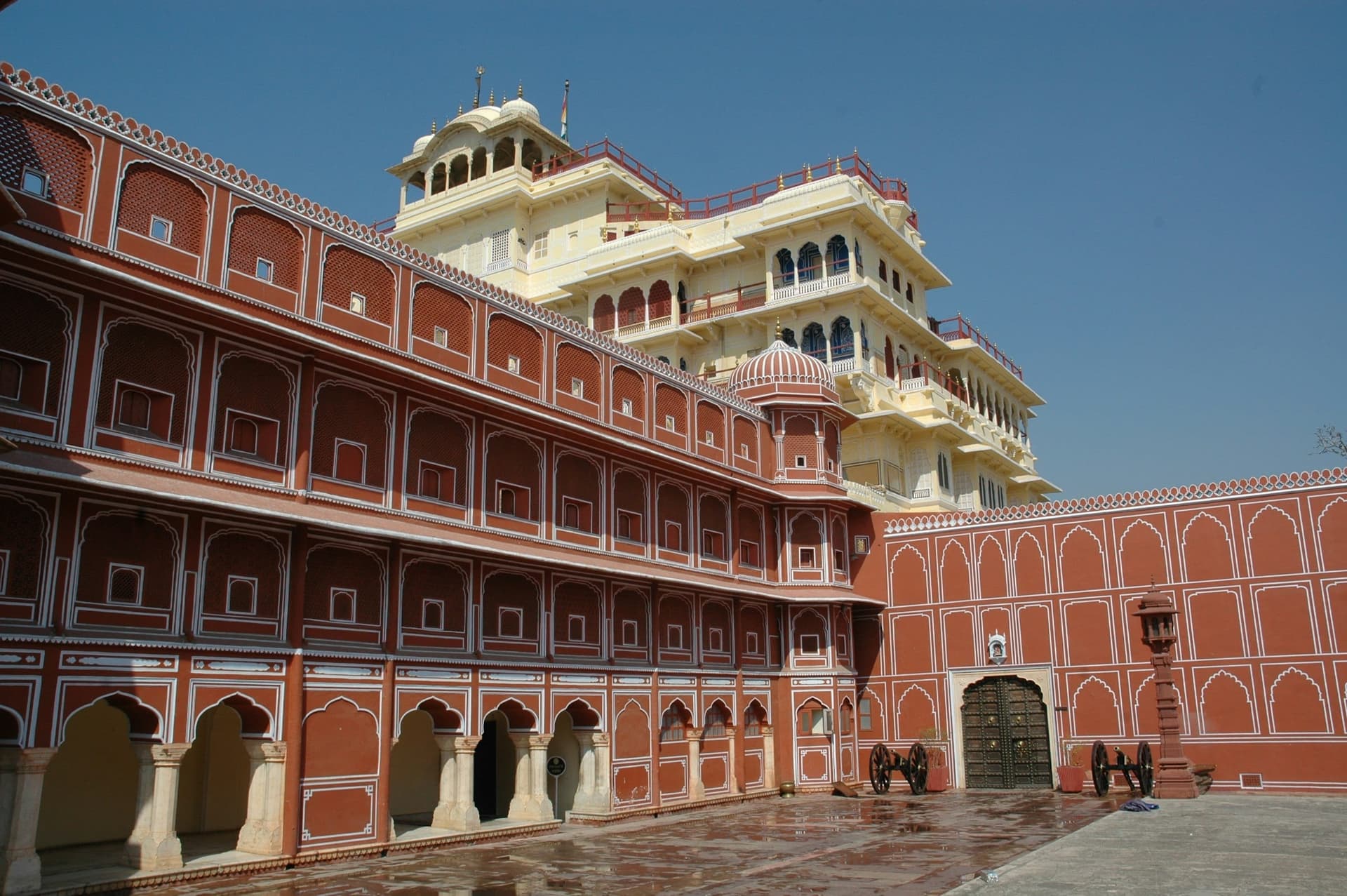
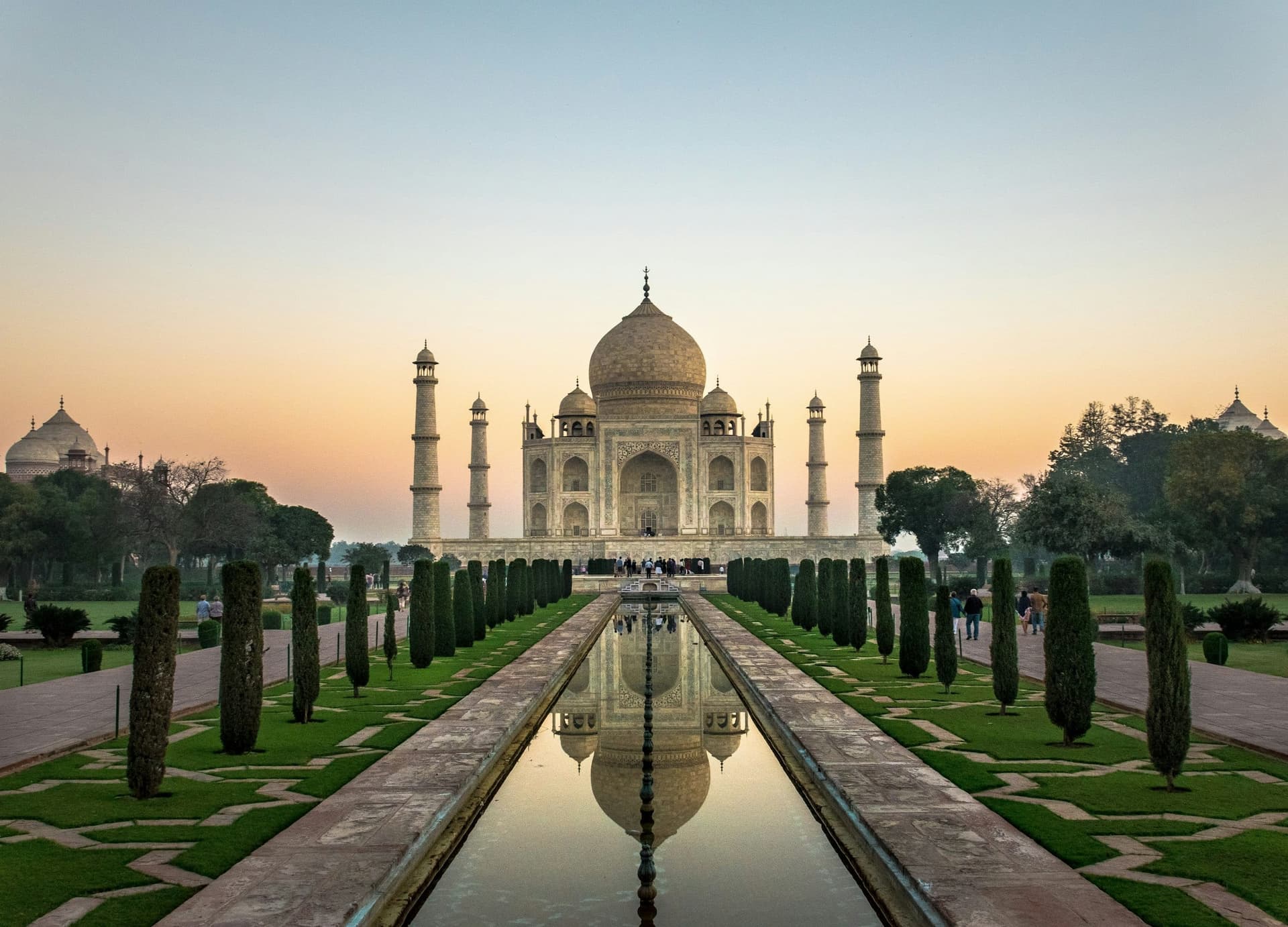
 Sunrise Taj Mahal
4 days / 3 nights
Golden Triangle 4-Day Tour
Delhi, Agra and Jaipur in 4 days, with a sunrise entry to the Taj Mahal included.
Delhi · Agra · Jaipur
- Private guide included
- Private car & driver
- Free cancellation · 48h
Free itinerary & quote · reply in about 15 minutes
Agra · Private travel
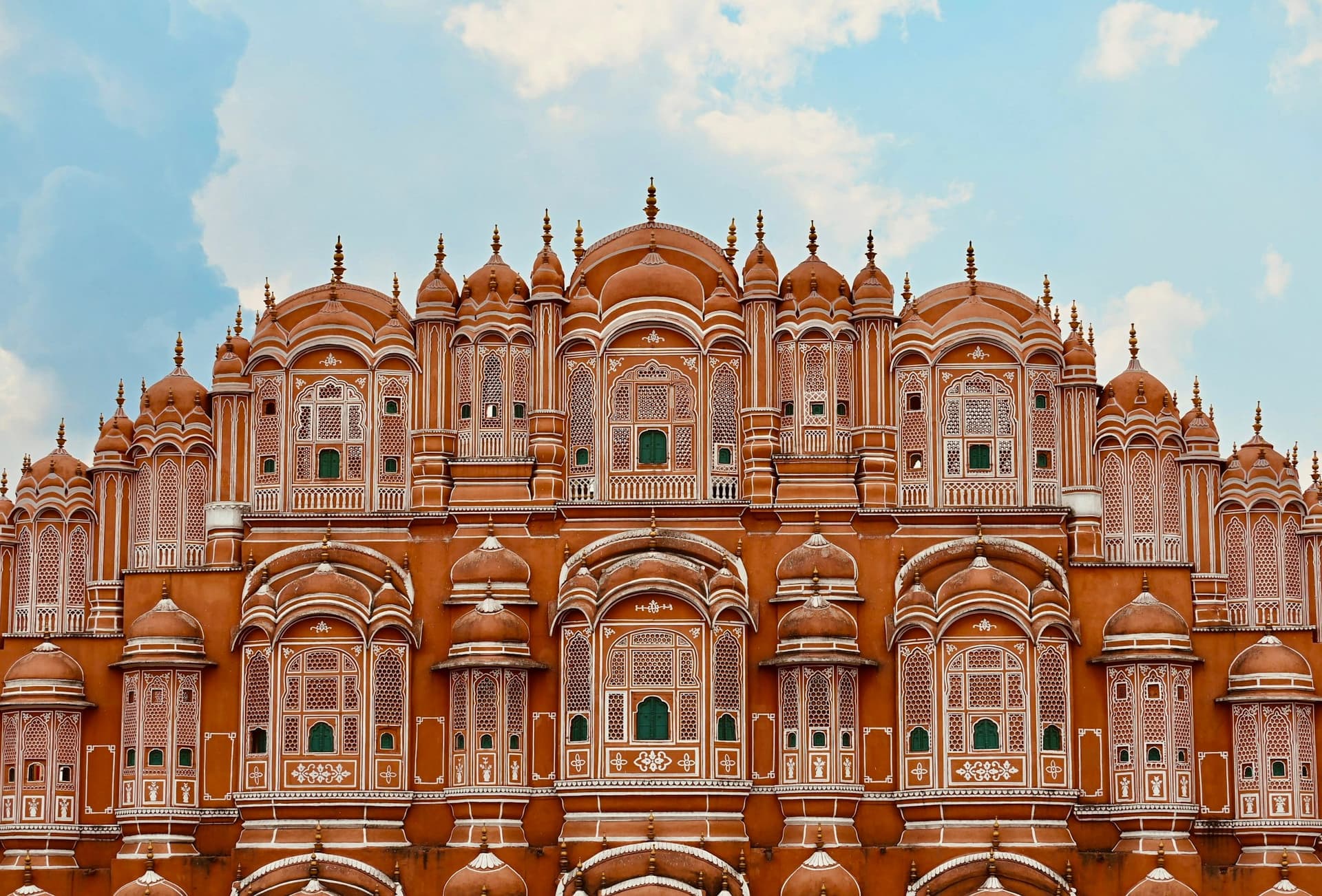
Rajasthan, India
The Pink City of Rajasthan — forts, palaces and bazaars, 280 km from Delhi and Agra.
Based in
Agra, India
Reply time
About 15 minutes
Deposit
Balance on arrival
Plan your Jaipur trip: Amber Fort, City Palace, Hawa Mahal and Jantar Mantar, best months to visit, and how to reach Jaipur from Delhi by road, rail or air.
Jaipur is the capital of Rajasthan and the third stop on India's classic Golden Triangle circuit, after Delhi and Agra. Maharaja Sawai Jai Singh II founded the city in 1727 as one of India's first planned cities, laid out on a grid of wide avenues and market squares. Its nickname, the Pink City, comes from the terracotta-pink lime wash painted across the old city's buildings in 1876 to welcome the Prince of Wales — a colour the municipality has maintained ever since.
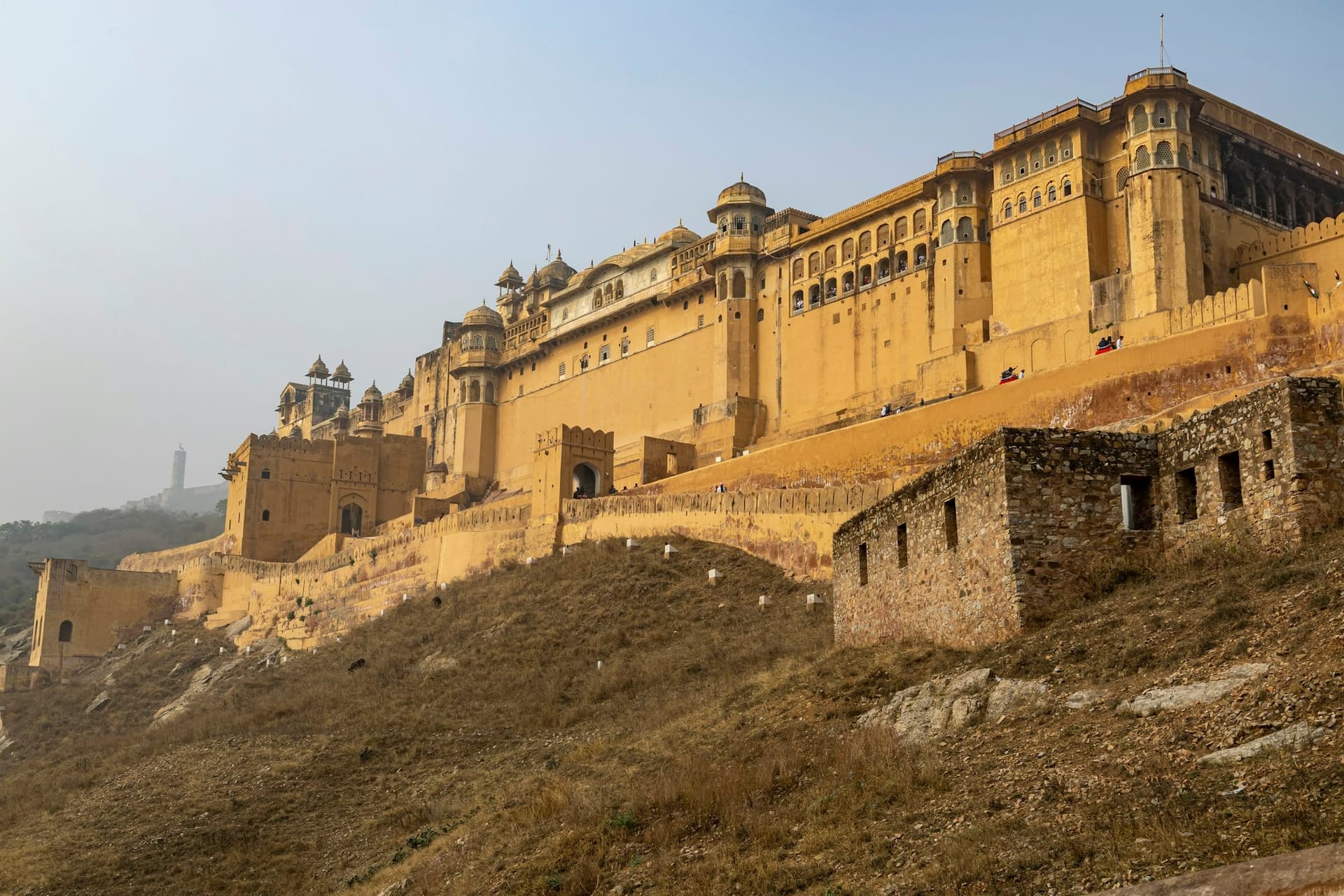
Visitors come to Jaipur for its forts and palaces rather than a single monument. Amber Fort's mirrored Sheesh Mahal, the City Palace's courtyards, the honeycomb facade of Hawa Mahal, and Jantar Mantar's giant stone astronomical instruments together include a UNESCO World Heritage Site and several of India's most photographed buildings. The walled old city adds working bazaars for gemstones, block-printed textiles and traditional jewellery, still trading from the same 18th-century street grid.
Jaipur sits about 280 km from Delhi and 240 km from Agra, making it a natural third leg after a Delhi-Agra Taj Mahal trip. Most first-time visitors need two full days to cover Amber Fort, City Palace, Hawa Mahal and Jantar Mantar without rushing; a single overnight stop is workable but tight. Jaipur pairs well with a same-day or overnight Agra visit, forming the full Golden Triangle loop before returning to Delhi for an international flight.
Updated
Tours
Sunrise Taj MahalDelhi, Agra and Jaipur in 4 days, with a sunrise entry to the Taj Mahal included.
Delhi · Agra · Jaipur
SunriseSunrise at the Taj Mahal, two tiger safaris in Ranthambore, and Jaipur forts in between.
Delhi · Agra · Jaipur
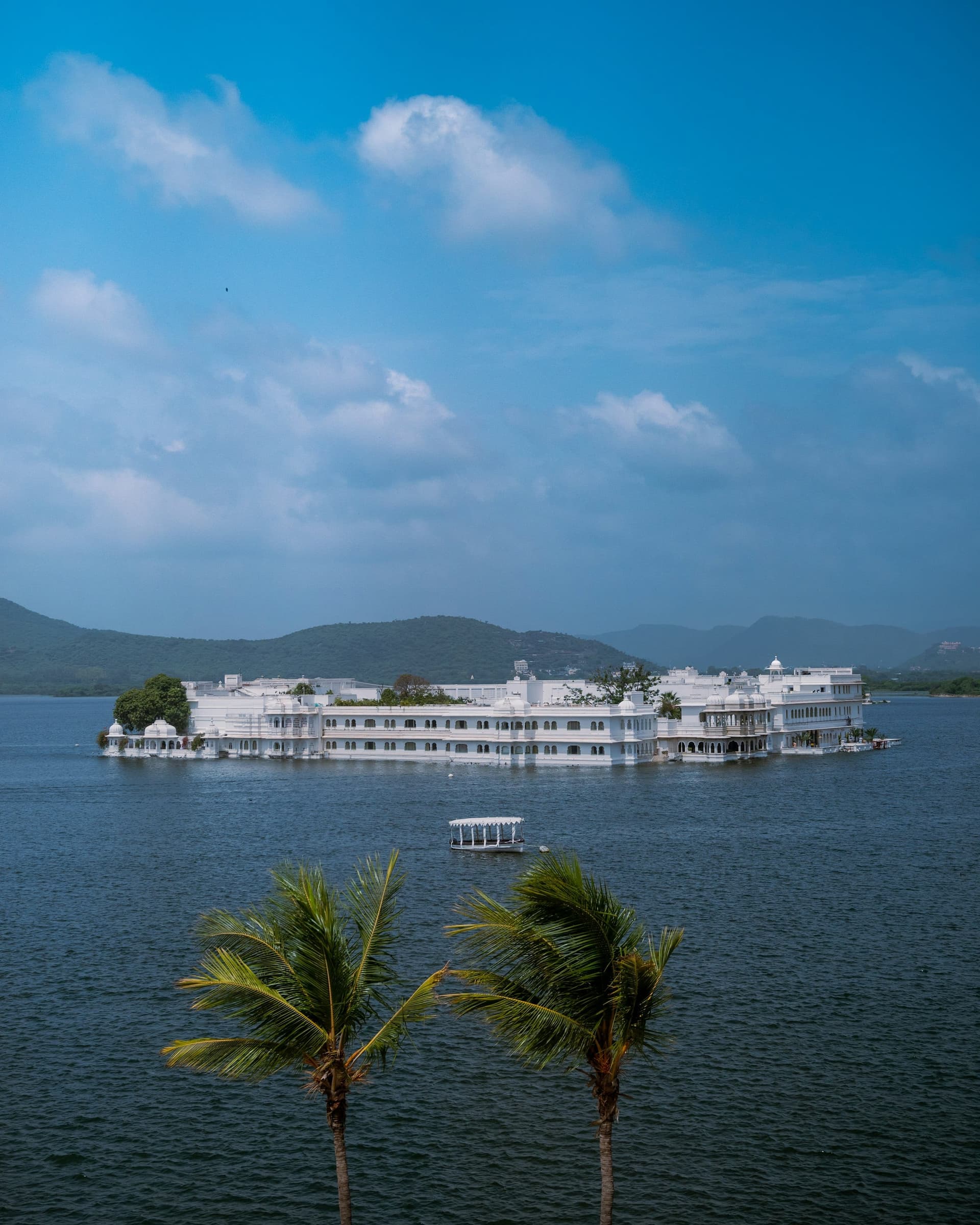 Sunrise Taj Mahal
Delhi, Agra, Jaipur and Udaipur in one week, ending with a Lake Pichola sunset cruise.
Delhi · Agra · Jaipur · Udaipur
Full-Day TripAmber Fort, City Palace and Hawa Mahal in one very long day from Delhi
Delhi · Jaipur
Jeep Ride, Not ElephantAmber Fort by jeep, City Palace, Hawa Mahal and Jantar Mantar — Jaipur in one day.
Jaipur
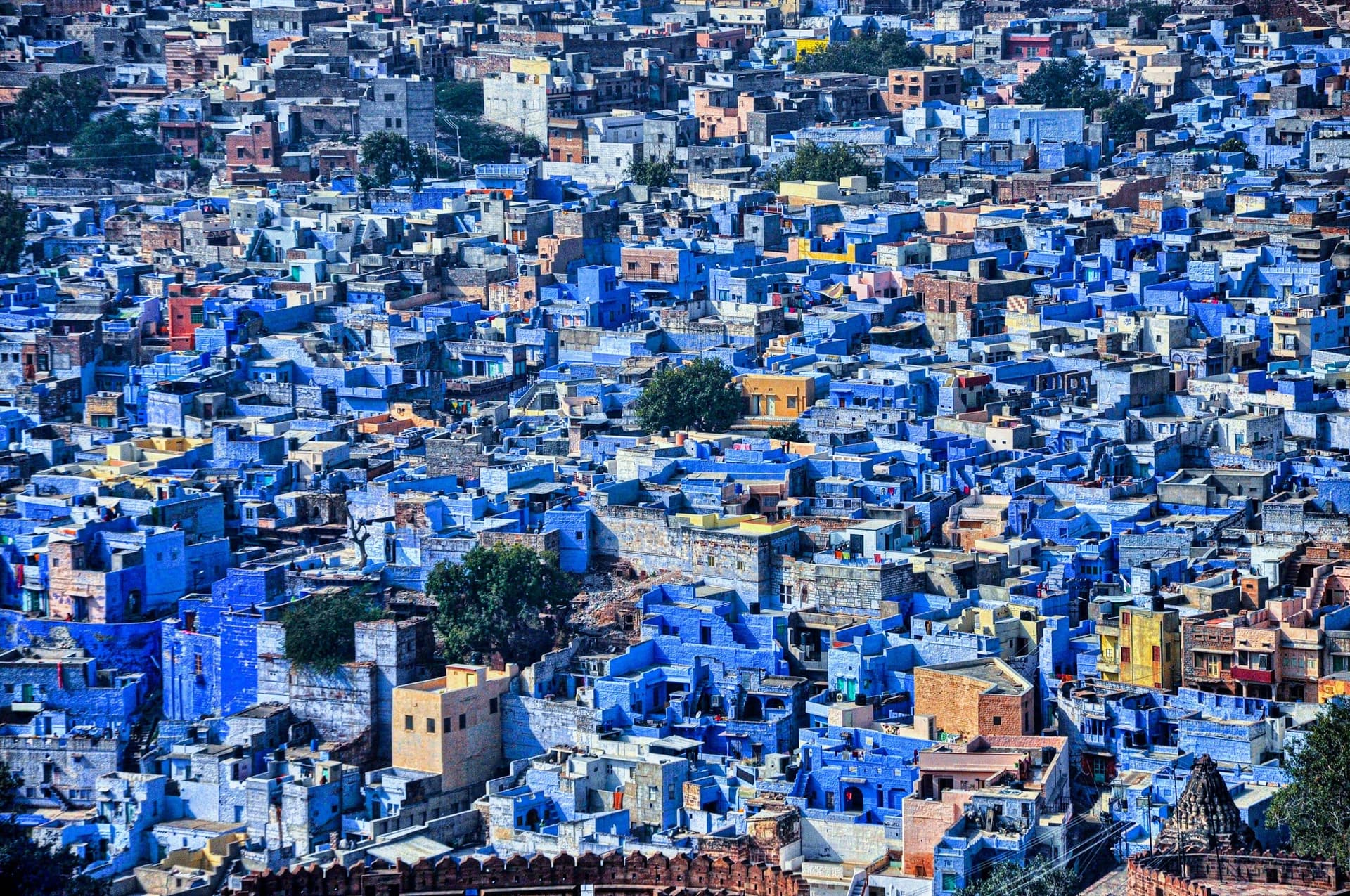
Pink City forts, the Blue City, and Udaipur's lakes on one private 6-day circuit.
Jaipur · Udaipur
Top experiences
Amber Fort
Amber Fort (also spelled Amer Fort) is a hilltop fort-palace 11 km from central Jaipur, begun in 1592 by Raja Man Singh I on a ridge overlooking Maota Lake. Its Sheesh Mahal, a hall lined with thousands of mirrored glass panels, is the site's best-known chamber.
8:00 AM - 5:30 PM daily · ₹500 foreigner (or ₹1,000 composite ticket covering 5 Jaipur monuments, valid 2 days)
Tip: Skip the elephant ride up the ramp and take a jeep instead, or walk the paved path in about 15 minutes — it's kinder to the animals and usually faster.
City Palace
City Palace is the former royal residence in central Jaipur, parts of which are still home to the royal family today. Museum galleries inside display royal textiles, an armoury of Rajput and Mughal weapons, and the ornate Peacock Gate leading into the Pritam Niwas Chowk courtyard.
9:30 AM - 5:00 PM daily
Tip: A separate, pricier ticket grants access to the private royal apartments and rooftop terrace — worth it for panoramic views over Jaipur's grid-plan old city.
Hawa Mahal
Hawa Mahal, the five-storey Palace of Winds, was built in 1799 by Maharaja Sawai Pratap Singh with hundreds of small latticed windows (jharokhas) so royal women could watch street life below without being seen. The honeycomb pink sandstone facade is Jaipur's most photographed building.
9:00 AM - 4:30 PM daily
Tip: Photograph the facade from the rooftop café directly across Siredeori Bazaar between 8 and 9 AM, when morning light hits it straight on.
Jantar Mantar
Jantar Mantar is an 18th-century astronomical observatory built in 1734 by Jai Singh II and inscribed as a UNESCO World Heritage Site in 2010. Its 19 masonry instruments include the Samrat Yantra, the world's largest stone sundial, accurate to about two seconds.
9:00 AM - 4:30 PM daily
Tip: Hire a guide at the entrance — the instruments are hard to interpret without an explanation of how each one tracks the sun, stars or zodiac.
Nahargarh Fort
Nahargarh Fort sits on the Aravalli hills above Jaipur, built in 1734 and later extended, connected to Amber Fort by a defensive wall running along the ridge. It's the most popular spot in Jaipur to watch the sunset over the Pink City.
10:00 AM - 5:30 PM daily
Tip: Go by taxi or auto-rickshaw up the hill road; the direct walking trail from the city is steep and takes over an hour.
Jal Mahal
Jal Mahal, the Water Palace, appears to float in the centre of Man Sagar Lake, built in the mid-18th century with four of its five storeys submerged when the lake is full. The interior is closed to visitors, but it's a popular photo stop from the lakeside road.
Viewable 24 hours from the lakeside road; no interior access
Tip: Early morning or just before sunset gives the softest light for photos across the lake.
Johari Bazaar and the Old City markets
Johari Bazaar and the neighbouring Pink City markets sell jewellery, gemstones, block-printed textiles and traditional mojari shoes along the original 1727 street grid designed by Vidyadhar Bhattacharya. Many family workshops here have traded from the same storefronts for generations.
Most shops open 10:30 AM - 8:00 PM
Tip: Bargain firmly and ask for written gemstone certification before buying — verbal claims of authenticity aren't enough.
Practical
The best time to visit Jaipur is October to March, when daytime temperatures stay between 15°C and 28°C and skies are clear for sightseeing at Amber Fort, Nahargarh Fort and other outdoor sites. Summers (April to June) turn hot and dry, regularly topping 40°C, which makes midday fort visits uncomfortable. The monsoon (July to September) brings humidity and occasional heavy rain, but also greener hillsides around Amber and Nahargarh.
| Months | Weather | Good for visiting? |
|---|---|---|
| October-March | 15-28°C, dry, mostly clear skies | Best — peak season |
| April-June | 30-45°C, hot and dry | Only early morning or evening sightseeing |
| July-September | 25-35°C, humid, monsoon showers | Fewer crowds and green scenery, some rain delays |
Practical
Jaipur is reachable from Delhi and Agra by air, rail or road, and most Golden Triangle itineraries combine at least two of these. Jaipur International Airport (JAI) sits about 13 km from the city centre and has daily flights connecting to Delhi (around 1 hour), Mumbai and other major Indian cities.
By train, Delhi to Jaipur takes roughly 4.5-5 hours on express services such as the Ajmer Shatabdi, departing from Delhi's Hazrat Nizamuddin or New Delhi stations. From Agra, direct trains take about 4-5 hours; many travellers instead use a direct road transfer, which is often faster and door-to-door.
By road, Delhi to Jaipur is about 280 km (5-6 hours) via NH48, and Agra to Jaipur is about 240 km (5 hours) via NH21. Hiring a car with driver is the most flexible option for a Golden Triangle trip, allowing stops at Fatehpur Sikri or the Abhaneri stepwell between Agra and Jaipur.
| From | By air | By train | By road |
|---|---|---|---|
| Delhi | ~1 hour | ~4.5-5 hours | ~5-6 hours (280 km) |
| Agra | No direct flights | ~4-5 hours | ~5 hours (240 km) |
FAQ
Plan for two full days in Jaipur to see Amber Fort, City Palace, Hawa Mahal and Jantar Mantar without rushing. A single overnight stop can cover the highlights in one long day but leaves little time for the old city bazaars. Travellers combining Jaipur with Delhi and Agra typically allocate two days here within a five- to six-day Golden Triangle itinerary.
A Jaipur day trip from Delhi is possible but rushed, given the roughly 280 km, 5-6 hour drive each way. Most operators instead offer it as an overnight trip or combine it with Agra as part of a multi-day Golden Triangle tour. Flying, about 1 hour from Delhi, makes a single-day visit more realistic if time is limited.
Yes, Jaipur is the third city of India's Golden Triangle, alongside Delhi and Agra. The three cities form a loop of roughly 720 km, typically covered over 5-7 days by road or a mix of road and rail. Jaipur usually follows Agra, so travellers see the Taj Mahal first, then Rajasthan's forts and palaces, before returning to Delhi.
October to March is the best time to visit Jaipur, with daytime temperatures of 15-28°C and clear skies for outdoor sightseeing. December and January are the coolest and busiest months; October, February and early March offer similar weather with smaller crowds. Avoid April to June, when temperatures regularly exceed 40°C.
The most common way to travel from Agra to Jaipur is by road, a roughly 240 km, 5-hour drive via NH21, often with a stop at Fatehpur Sikri or the Abhaneri stepwell en route. Direct trains take about 4-5 hours. There are no direct flights between Agra and Jaipur, so road or rail are the practical options.
Amber Fort entry costs ₹500 for foreign nationals. A composite ticket covering five Jaipur monuments, including Amber Fort, costs ₹1,000 and is valid for two days, which works out cheaper for travellers visiting multiple sites. Tickets can be bought at the fort entrance or in advance through official Rajasthan tourism booking channels.
Jaipur's main tourist sites and old city are generally safe for international and solo travellers during daylight hours, with a steady flow of visitors at Amber Fort, City Palace and the bazaars. As in any major Indian city, use registered taxis or app-based cabs after dark, keep valuables secure in crowded markets, and agree on prices before shopping or hiring a rickshaw.
Yes, combining Jaipur with Agra makes sense geographically, since the two cities are about 240 km apart on NH21. Many travellers structure a trip as Delhi-Agra-Jaipur-Delhi, seeing the Taj Mahal and Agra Fort first, then Jaipur's forts and palaces, before flying or driving back to Delhi. This is the classic Golden Triangle route.
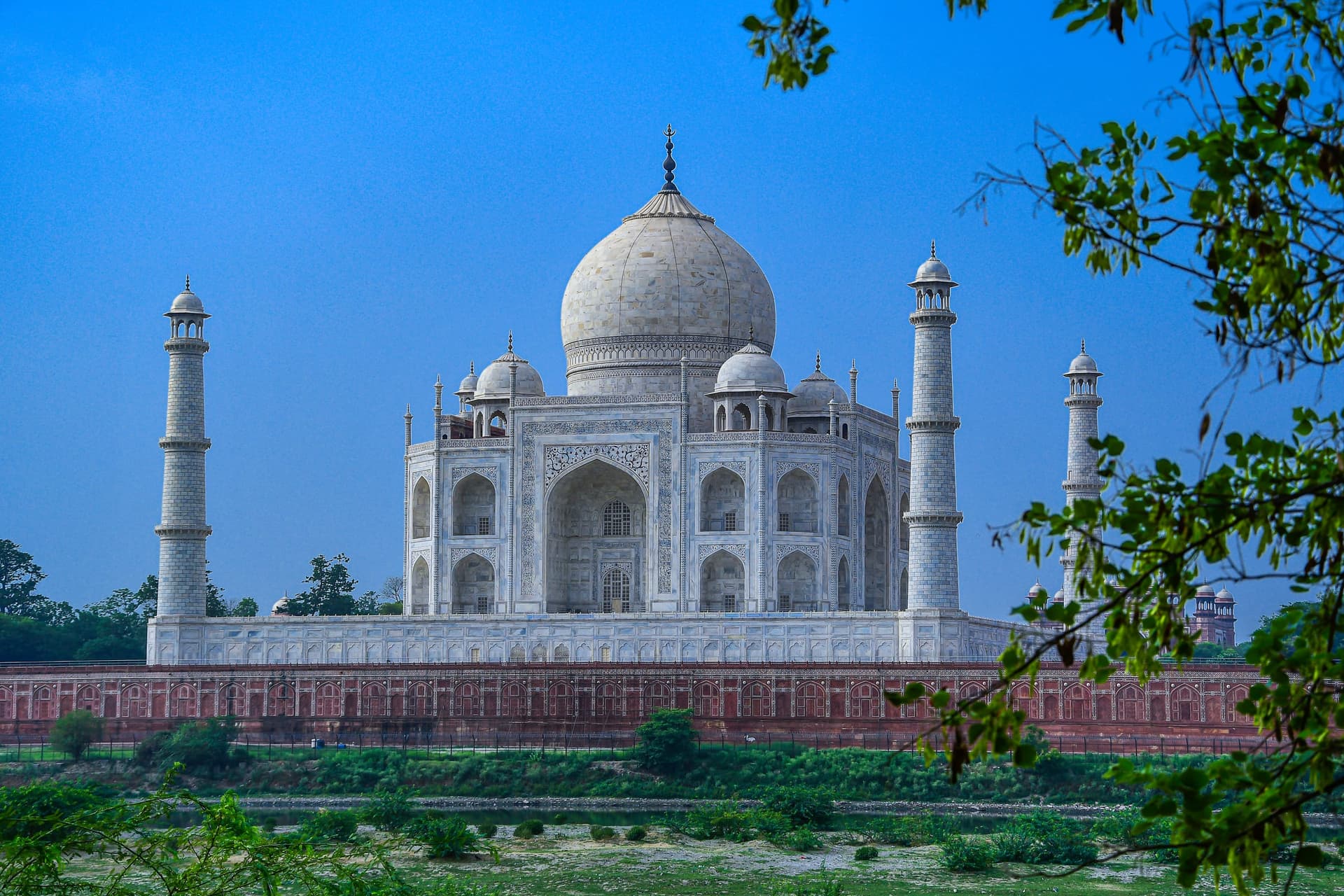
Your dates, our town
A real person in Agra replies on WhatsApp, usually in about 15 minutes. Free cancellation up to 48 hours before most tours; the balance is paid on arrival.